6 Content Writing Strategies That’ll Help You Acquire More Organic Traffic
Content. Traffic. Revenue.
These are the 3 things that truly matter. Every other metric is secondary in your content marketing strategy..
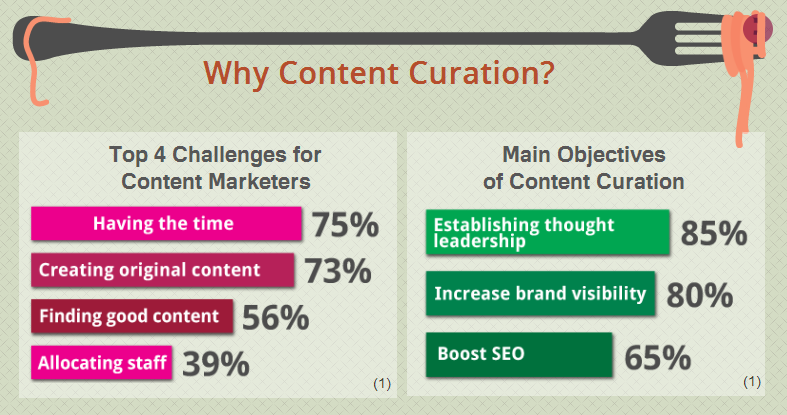
The good news is that they’re all intertwined: the more useful the content you have on your site, the more likely you are to increase your traffic and revenue. For this reason, both B2B and B2C companies are creating more content. According to State of Inbound, 41% of content marketers say that their content creation is generating a return on that investment.
I’m always surprised by what I learn while writing.
But many times, I walk away with insights I can put to work to make my content more interesting, more helpful and more engaging. I fine-tune my own SEO content and improve my own search engine results.
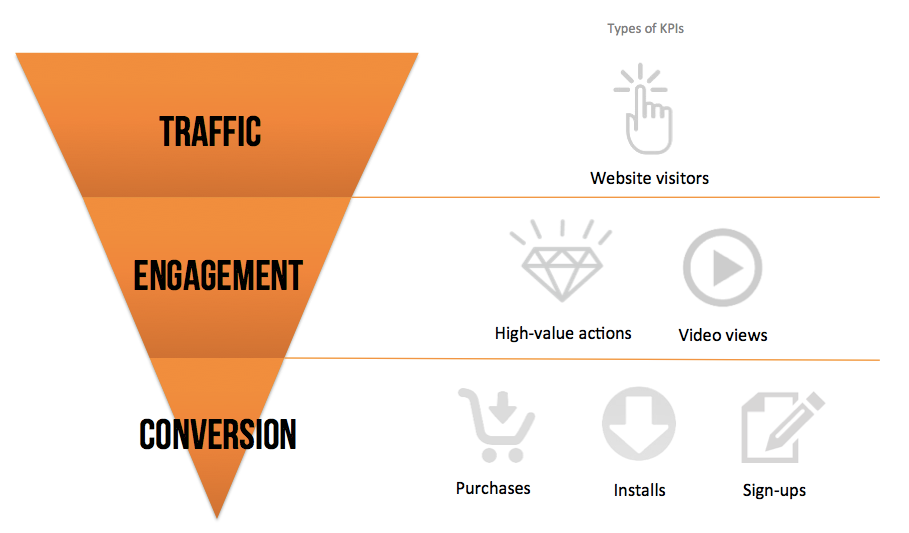
I’ve found that the right content will drive traffic, engagement, and conversion. When I apply each insight into my content creation and see a significant result, I quickly turn it into a replicable strategy.
Why do you think writers read a lot of books, even ones unrelated to their niches or interests? They want to increase their knowledge because they know it helps their writing. They read in order to collect ideas from other authors. It’s not just writers who do this. In response to a question about how to get smarter, Warren Buffett said, “I just sit in my office and read all day.” He estimated that he spends 80% of his working day reading and thinking.
That said, reading alone can’t help you in content creation that your target audience craves. You have to go further and showcase results from experiments, research studies, projects, etc. There needs to be more to your content strategy. In “Stephen King’s 20 tips for becoming a frighteningly good writer,” Jon Morrow gives a formula for writing popular blog posts. There are thousands of pages full of data out there. How do you pick the right data to leverage and expand on?
Take Jon’s advice and make sure that 80% of your readers would find it irresistible. This is crucial because if the data or research study doesn’t resonate with them, you won’t get people to act.
Third step: Create powerful titles. The title is where 73% of a buying decision is made, according to Ted Nicholas, a well-known copywriting expert. If 8 out of 10 people read the title, you need to give it top priority.
If you’re new to content creation, or you haven’t been able to grow your blog’s traffic yet, I think you should leverage third-party data more.
This content marketing strategy simply utilizes the work of the content writer before you who got results.
Because as it stands now, people have no reason to trust you and it’s hard to convince them to trust you. But if they find a reputable name or brand with striking statistics as the focal point of your content, they’ll listen.
3. Visualize and write for a single person.
How do you read content online? Do you read a blog post when you’re by yourself, or do you call your friends to join you? Chances are, like the rest of us, you read alone.
By the same token, you need to visualize one person as the “targeted reader” for your content. That one person then stands in for the rest of your readers.
Writing to one person at a time is one quick way to find your voice. It’ll make your content more powerful, too.
Content written this way engages the audience better since each person will read it and feel a personal connection.
You can impact lives with words and get paid to change the world when you write to one person at a time.
Writing for the web requires creativity. You just can’t throw 500 words together and expect people to read it.
When it comes to blog writing, you need to integrate certain words that personalize the experience for readers. The words “you” and “because” are stronger than you think.
According to Jonathan Goodman, founder of ViralNomics, the word “because” is the most powerful word in the English language, while “you” is the most important word in blogging.
To successfully write to one person and engage that person with your content, include “you” in the content.
This word is powerful because people are ultimately interested in fulfilling their own needs.
You may not believe this, but it’s true: your readers don’t care about you. They don’t really care how successful or how much of a failure you’ve been. What matters to them is the value you provide.
Of course, when you start to deliver immense value, readers will start to care about you. From personal experience, I can tell you that it takes time before people begin to trust you.
At the time that it’s clear your readers trust you, great things will automatically begin to happen. They’ll link to your content, share it on social media networks, recommend your products and even refer their fans/family/friends to your site.
Shift your focus from yourself to your readers. I always tell people that if you start a blog, that blog is by you – but not for you. It belongs to the audience you’re serving. They make the rules. They set the pace. You just follow.
In your blog posts, videos, ebooks, etc., use the word “you” more. Reduce “me” and “I” — that way, readers will perceive that all you care about is them, not your own pocket.
You’ll be amazed at the results.
4. Integrate user feedback into your content.
Data and analytics enable us to gain deep insights into what our customers want from us.
But sometimes, don’t you wish that you could get an answer straight from your site users or customers?
That’s what user feedback is all about.
One of the most important characteristics of compelling and persuasive content is relevance. Is your content relevant to the right group of people?
Bestselling authors don’t write to impress anyone. They understand that writing to impress only leads to failure. Instead, they write to express their emotions and thoughts, based on the deep knowledge that they have about their audience.
User feedback shows your audience’s reactions, suggestions and worldviews. This is vital, because everyone has a worldview — you just have to give them your attention.

- Surveys
- Feedback boxes/forms
- Email outreach
- User activity
- Usability tests
Surveys: When it comes to surveys, keep it simple. It’s not always a good practice to throw your readers a full-blown survey that takes 10 minutes or more to complete.
Feedback boxes: This feature provides a way for you to receive feedback from your site users. Just keep it simple.
Reach out directly: This is the easiest method of collecting user feedback. You don’t have to create any surveys, polls, or quizzes. You can write a simple email to your friends, Facebook fans, Twitter followers or Google+ connections.
If you’ve built a loyal audience, reaching out directly can be a source of quick and insightful feedback. As a content strategist who wants to know what their target audience needs to know, what better way is there?
Dig deeper into your email list and maybe invite a few of them to lunch. Ask simple open-ended questions as you converse with them.
User testing: If you conduct an effective user test, the feedback you’ll collect will powerful and accurate.
User testing reveals exactly what users think about your content, product or brand. This information is invaluable.
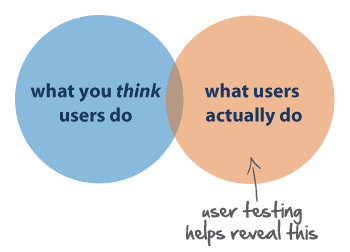
User activity: How do people engage with your content? What percentage of people will buy your product or subscribe to your list, based on the level of experience you provide?
This is where you dig into your Google Analytics dashboard. First, you want to find out which landing pages are generating most of your visitors.
To a large extent, those landing pages are ones perceived as engaging, valuable and easy to navigate. That’s why users entered there and then decided to explore your site.


Comments
Post a Comment